
UK Gambling Law and the Offshore Gap
 Available in GB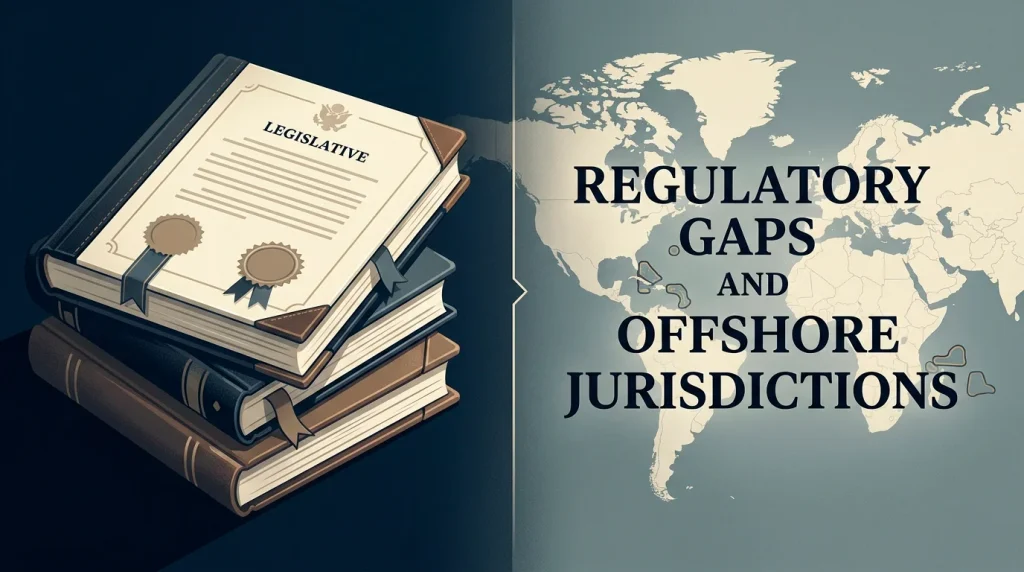
Non-GamStop casinos are not the product of a loophole someone discovered yesterday. They exist because of how UK gambling law was built, where it draws its boundaries, and whom its rules are aimed at. This explainer traces that law from 2005 to the present, citing the statutes directly so you can read the source for yourself.
The Gambling Act 2005 and section 33
The Gambling Act 2005 is the primary statute governing gambling in Great Britain. It replaced a patchwork of older law, created a single statutory regulator in the Gambling Commission, and set the general rule that providing facilities for gambling requires a licence.
That rule has teeth. Under section 33 of the Act, a person who provides facilities for gambling without the required licence commits an offence, subject to specific exceptions. The wording, and the explanatory notes that accompany it, are published on legislation.gov.uk for the Gambling Act 2005.
The important point for our topic is whom the offence targets. Section 33 is aimed at the operator that provides gambling, not at the individual who plays. That distinction runs through everything that follows and is examined in full on our page on the legal status for UK players.

The original remote-equipment loophole
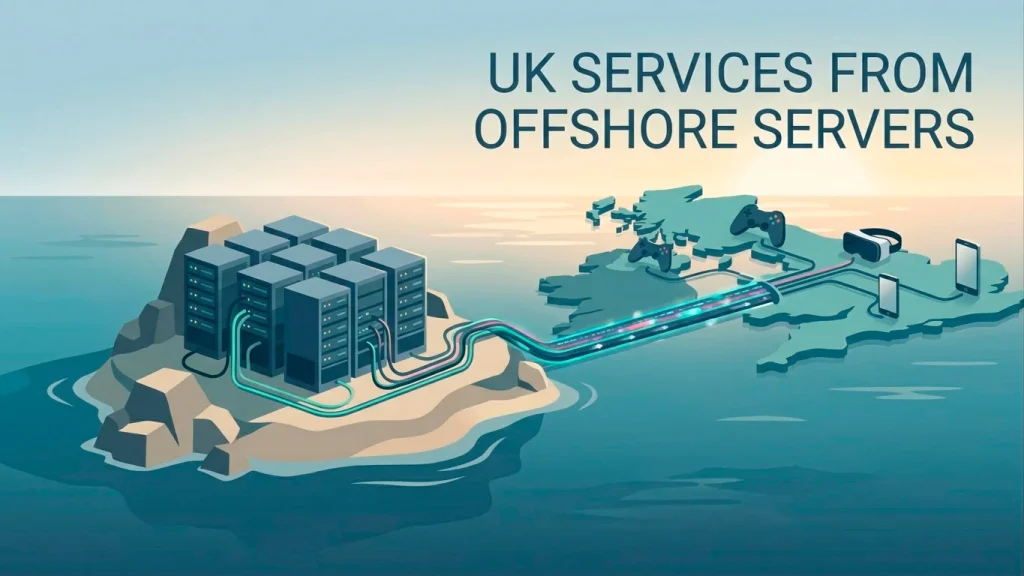
When the 2005 Act came into force, the requirement to hold a UK remote operating licence turned on where the gambling equipment sat. An operator that located all of its remote gambling equipment overseas did not need a Gambling Commission licence, even when British customers were using its services.
The explanatory notes to the later 2014 Act describe this plainly: an operator with all of its remote equipment abroad did not need a remote operating licence whether or not British consumers used its facilities. That is the gap from which the offshore market grew. UK players could be served by sites that owed nothing to the UK regulator, purely because the hardware sat elsewhere.
How the 2014 Act closed the gap
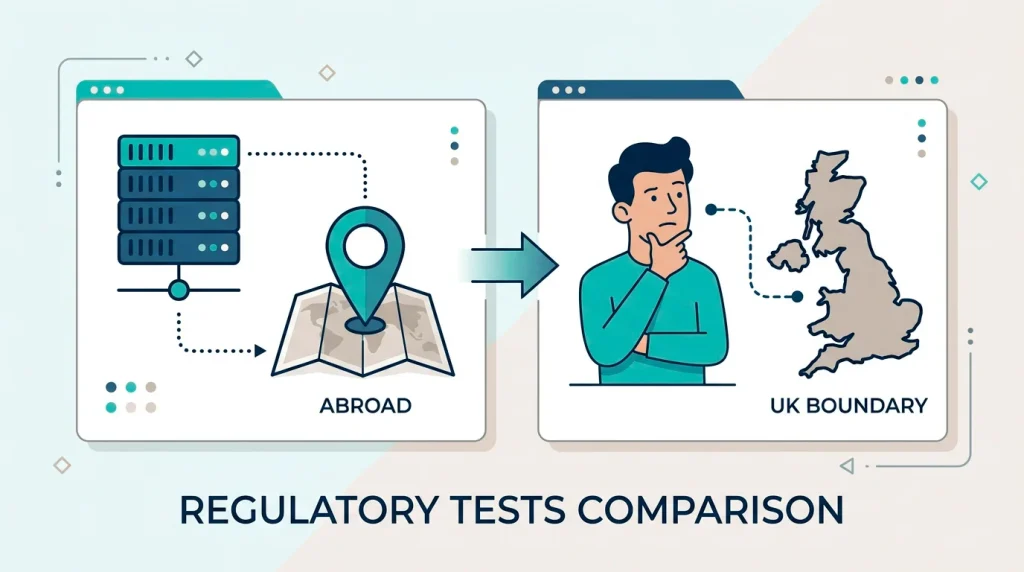
The Gambling (Licensing and Advertising) Act 2014 changed the test. Instead of asking where the equipment was, the law began asking where the customer was. From the point the amendments took effect, a remote operator providing facilities capable of being used in Great Britain needs a Gambling Commission licence, regardless of where it is based.
The Act also addressed advertising: it became an offence to advertise unlicensed remote gambling to the British market, closing the promotional side of the same gap. The amending provisions and their notes are set out on legislation.gov.uk for the 2014 Act, and the regulator’s role is described across the Gambling Commission website.
So the loophole as it once stood was closed. What remained, and remains, is the underlying logic: these obligations bind operators who serve the UK market under a UK licence. An operator that does not hold a UKGC licence is simply outside the regime, which is why it also sits outside GamStop.
Why offshore operators are not bound by GamStop
Putting the pieces together: UK law requires a licence to serve British players and bans advertising unlicensed services here, but it does so by placing duties on operators. An operator licensed only in another jurisdiction, which is not trading into the UK under a Gambling Commission licence, carries none of those duties, including the duty to integrate with GamStop.
This is the precise mechanism behind the non-GamStop niche. The sites are licensed elsewhere, so they answer to a different regulator and a different set of rules. The jurisdictions that issue those licences, and how they vary in strictness, are compared on our page covering offshore licence jurisdictions.

The 2023 White Paper and the 2025 reforms
The reason some players look offshore is partly about the direction UK regulation has taken. In April 2023 the government published its White Paper, “High Stakes: Gambling Reform for the Digital Age”, the most substantial review of gambling policy since the 2005 Act. It was presented to Parliament as Command Paper CP 835 and is available through gov.uk.
The reforms that have flowed from it tighten the regulated market. Online slot stake limits were introduced at five pounds per spin for players aged 25 and over and two pounds per spin for those aged 18 to 24. A statutory levy on operators now funds research, education and treatment for gambling harm, replacing the previous voluntary funding arrangement.
Tighter rules on the licensed side are often cited as a reason some players migrate to offshore sites that face none of them. That migration is exactly why a clear-eyed account of the risks matters, rather than a sales pitch. The broader picture is set out in our main casinos not on GamStop guide, and the cluster overview links the law back to the scheme itself on the regulation and self-exclusion explainer.
A note on scope across the UK
The Gambling Act 2005 framework applies to Great Britain, meaning England, Wales and Scotland. Northern Ireland has its own separate gambling rules, so statements about UK gambling law in the context of GamStop and the Gambling Commission are most accurate when read as Great Britain.
This is a small but real distinction that affiliate pages tend to flatten. It does not change the core point about offshore operators, but it is worth stating accurately.
The full picture is in our guide to casinos not on GamStop.
Which licences fill that gap: the offshore jurisdictions.
GamStop and UK Self-Exclusion Explained
Prepared by the Casino Not on Gamstop editorial staff.