
UK Player Information
Casinos Not on GamStop: What They Are and Why They Exist
 Available in GB
A plain-English, source-cited look at offshore casino sites that fall outside Britain's national self-exclusion scheme - what that actually means, and what it costs in protection.
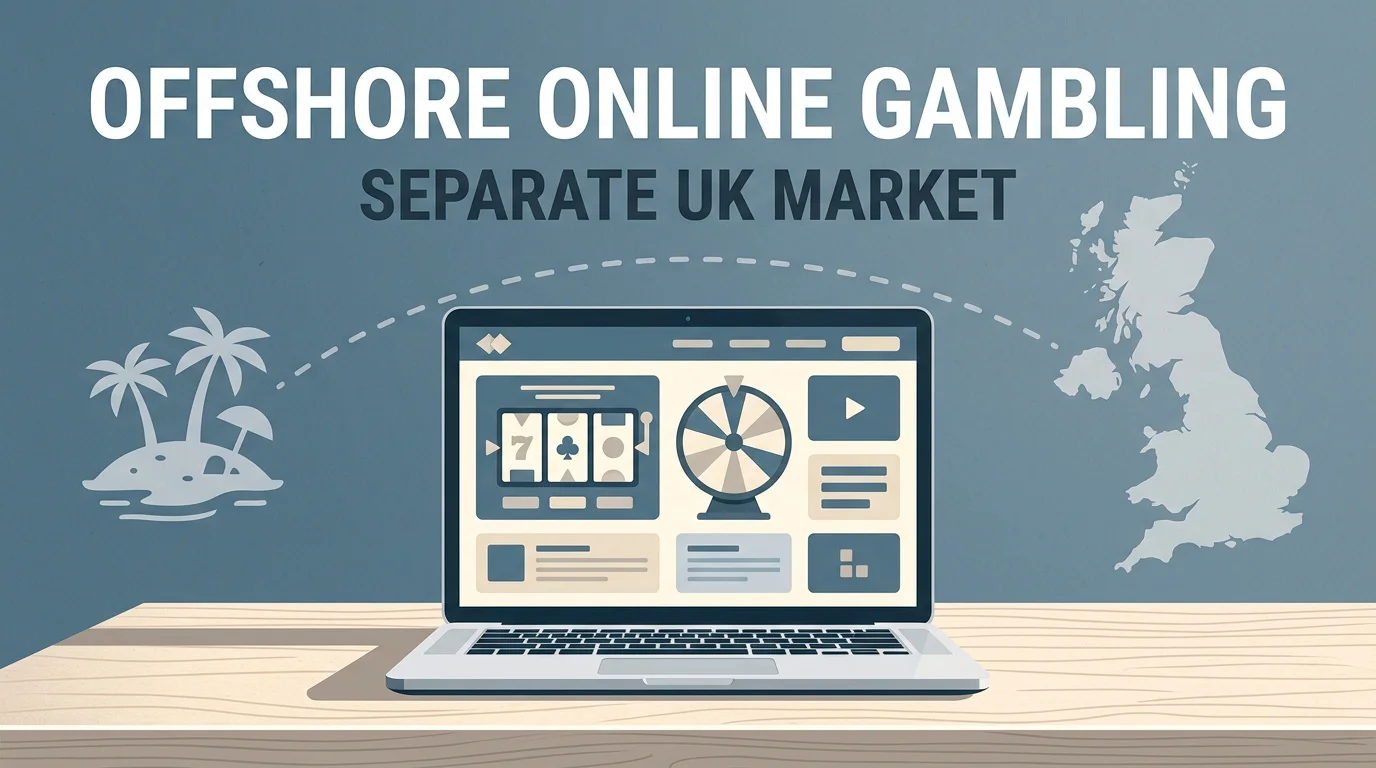
GamStop launched in April 2018 and became a mandatory licence condition for every UK Gambling Commission operator on 31 March 2020. By design it only reaches UKGC-licensed sites - which is the entire reason offshore "not on GamStop" casinos exist.
The short version
- A "casino not on GamStop" is an online casino licensed offshore (commonly Curacao, Anjouan or Malta) that never had to join Britain's GamStop scheme.
- GamStop only blocks operators licensed by the UK Gambling Commission, so it cannot reach offshore sites by design.
- For an individual UK player, using such a site is not a criminal offence - the Gambling Act 2005 offences target operators, not consumers.
- The trade-off is protection: no UKGC oversight, no UK dispute scheme, no guaranteed segregation of your funds, and no self-exclusion safety net.
- Gambling winnings remain tax-free for UK players regardless of where the site is licensed.
- If GamStop is what stands between you and harm, leaving it early is not possible by design - and support is available on 0808 8020 133, 24/7.
Operators in a Structured Comparison
The table below frames how off-GamStop operators are typically categorised by licence type rather than ranked. It uses placeholder profiles to illustrate the criteria a reader should weigh - licence jurisdiction, longevity and the specific protection each setup lacks. We do not publish unverified brand names, founding years or licence numbers; every profile here is illustrative and carries at least one objective risk marker.
Read each row as a checklist of what to verify yourself before trusting any site, not as an endorsement. The licence jurisdiction column matters more than any bonus headline, because it determines who - if anyone - hears your complaint when something goes wrong.
| Profile | Licence / Jurisdiction | Established | Key characteristics | Risk profile | Assessment |
|---|---|---|---|---|---|
| Curacao-licensed profile A | Curacao (CGA, post-LOK) | Illustrative | Broad game catalogue, crypto banking | No UKGC protection; limited dispute recourse | Assessed against licensing criteria |
| Anjouan-licensed profile B | Anjouan (Comoros) | Illustrative | Fast sign-up, light KYC, crypto focus | Newer licence, low entry threshold; weaker player safeguards | Reviewed for transparency |
| MGA-licensed profile C | Malta (MGA) | Illustrative | Audited, ongoing compliance | Still no GamStop coverage; complaints handled outside the UK | Compared on compliance standard |
| Curacao crypto profile D | Curacao (CGA, post-LOK) | Illustrative | Crypto-only deposits, high limits | No chargeback on crypto; offshore licence | Assessed for fund handling |
| Gibraltar-licensed profile E | Gibraltar | Illustrative | Mature regulator, smaller pool | No UKGC protection; not part of GamStop | Reviewed for licence maturity |
| Isle of Man profile F | Isle of Man (GSC) | Illustrative | Established regulator, strict on AML | No GamStop coverage; dispute recourse outside UK | Compared on oversight |
What a Casino Not on GamStop Actually Is
The phrase sounds like a hack, but it describes something far more mundane. A casino not on GamStop is simply an online casino that holds an offshore licence rather than a UK Gambling Commission one, and therefore was never required to connect to Britain's national self-exclusion database.
There is no clever bypass at work. Offshore operators never joined GamStop because the rule that forces participation only applies to companies the UKGC licenses. A site licensed in Curacao or Malta sits outside that requirement entirely.
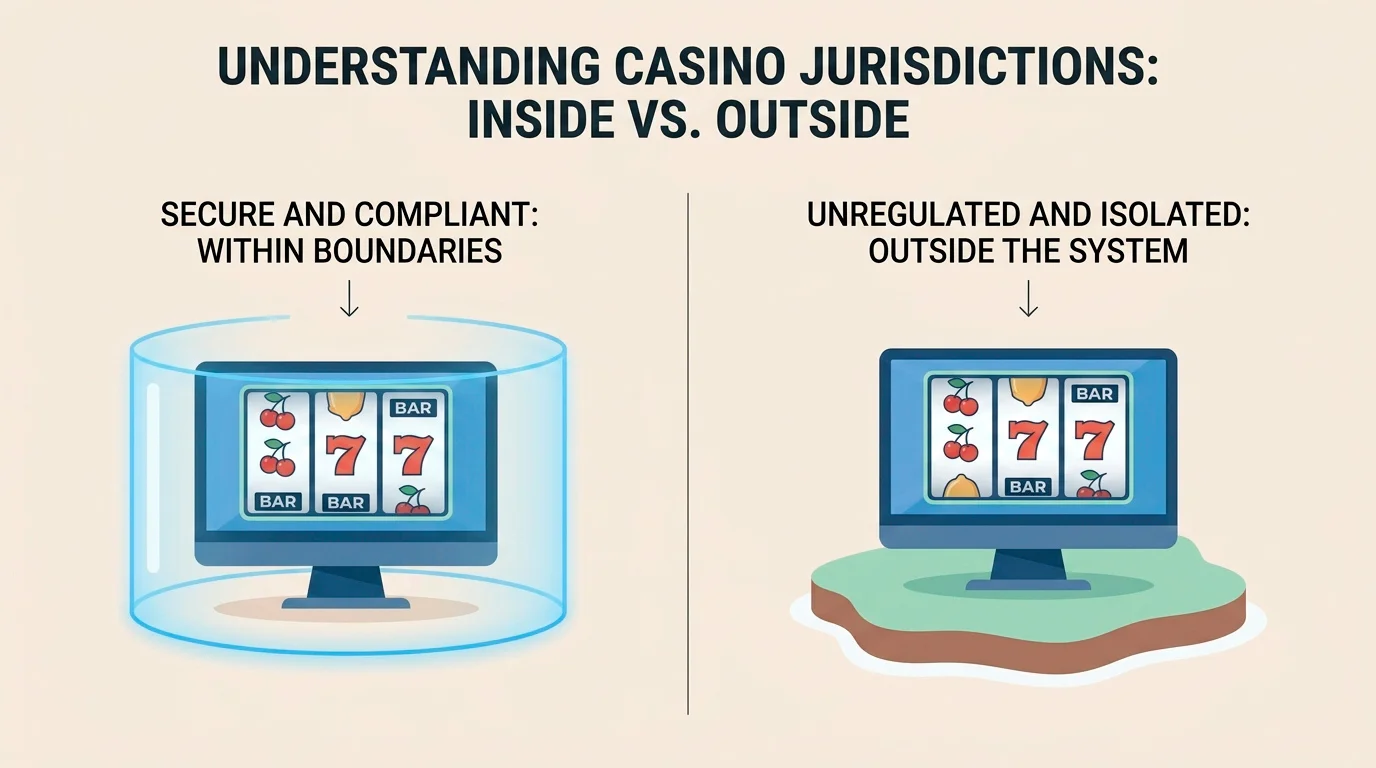
Most people arrive at the term through a search rather than a recommendation, often after a frustrating experience with affordability checks or self-exclusion. Understanding the mechanism behind the label is the first step to weighing it honestly.

That distinction is the foundation for everything else on this page. It is why these sites are legal for players to visit, why they can offer features UK sites cannot, and why they leave you with so little recourse when a dispute arises. Our non-GamStop operators compared hub goes deeper into how to assess them.
How GamStop Actually Works
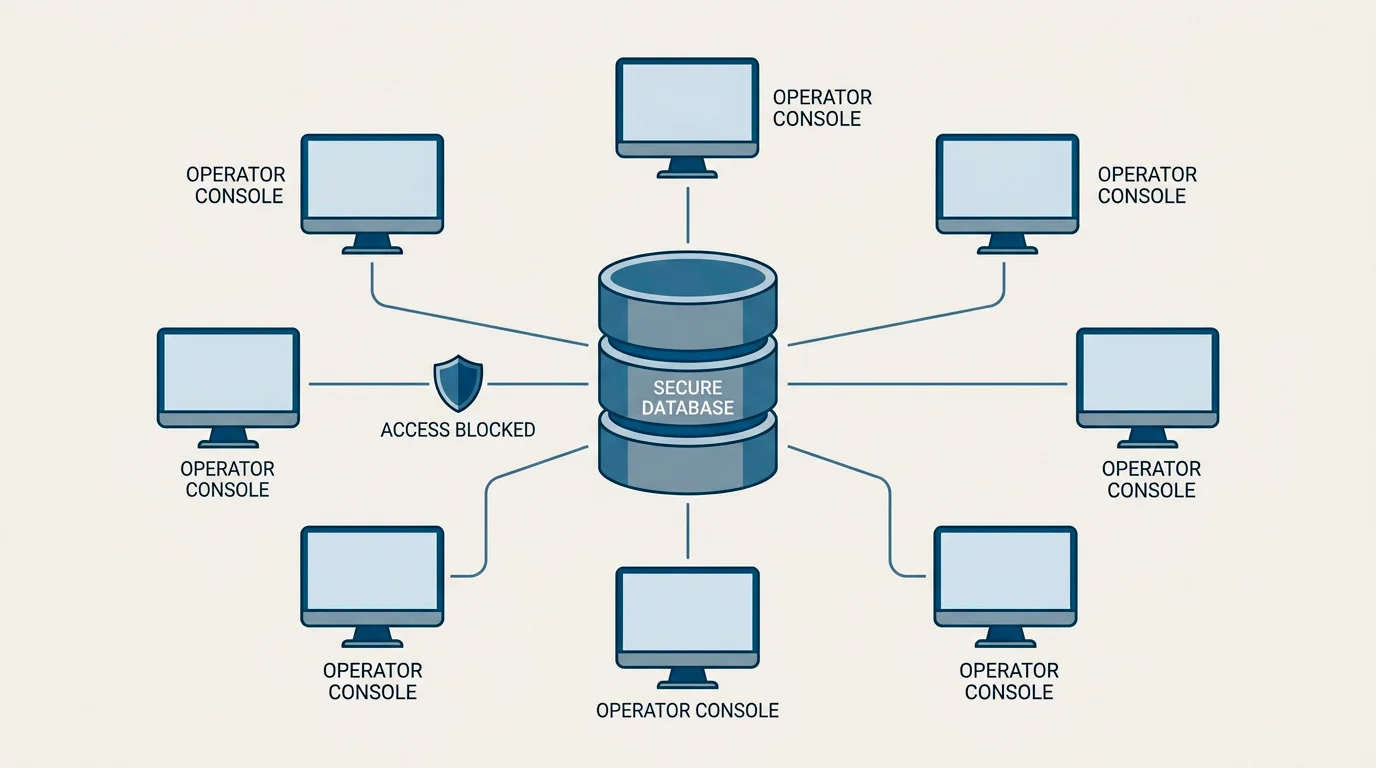
GamStop is a national, multi-operator online self-exclusion scheme run by a not-for-profit body, The National Online Self-Exclusion Scheme Limited (NOSES). A single registration blocks you from every operator holding a UK Gambling Commission licence.
Technically, it is a central database. Operator systems check against it in real time at registration and login, and on a match the operator must block the account. Licensed businesses refresh their self-excluded lists at regular intervals so the coverage stays current.
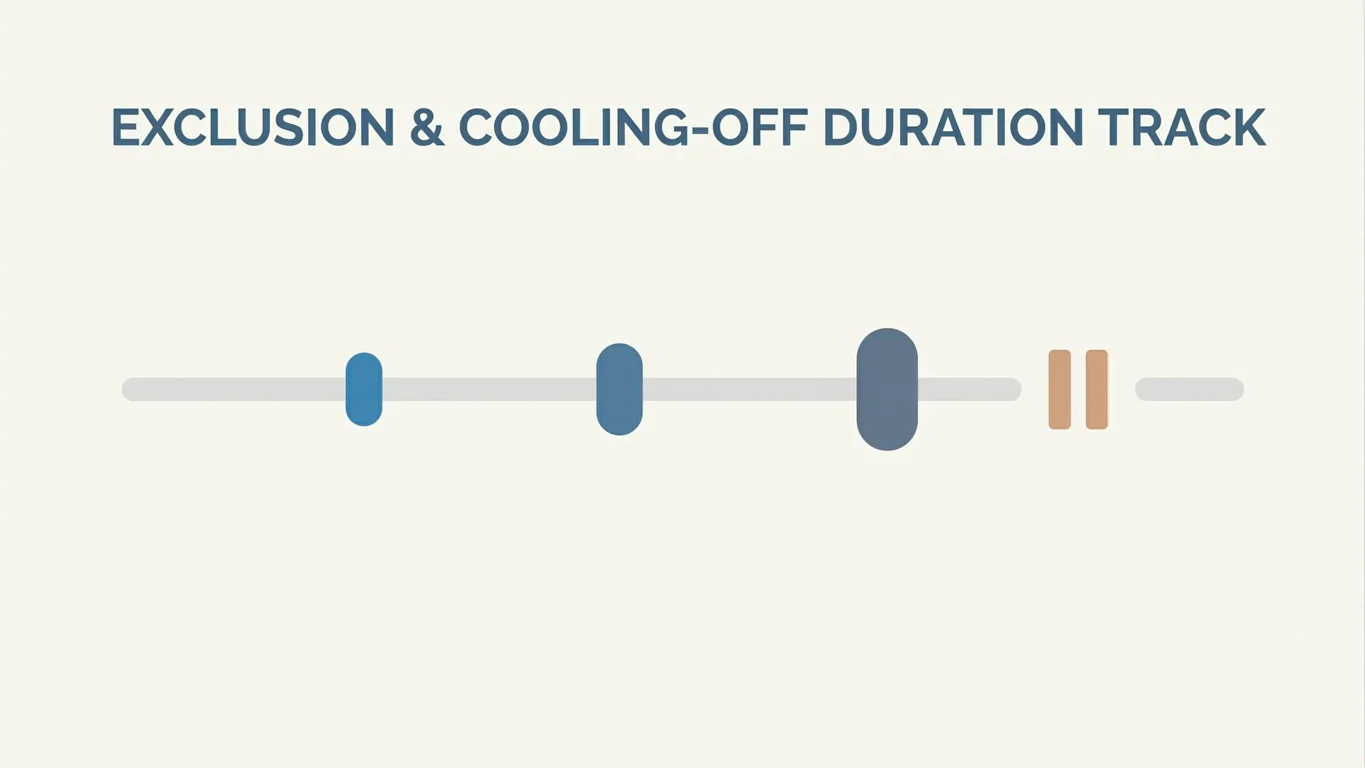
You choose a term of six months, one year or five years. A term can be extended but, by design, it cannot be shortened or lifted early - and a cooling-off period follows once it ends. During exclusion you cannot deposit, though you can still withdraw a remaining balance.
GamStop at a glance
- Launched
- April 2018
- Mandatory for UKGC operators
- 31 March 2020
- Operator
- NOSES Ltd (not-for-profit)
- Exclusion terms
- 6 months / 1 year / 5 years
- Scope
- UKGC-licensed online operators only
What it does not cover is just as important: it does not reach land-based venues (a separate scheme, SENSE, handles those) and it does not block offshore sites. For the full mechanics, see how GamStop works and the wider UK gambling regulation explained overview. The scheme's own details are published by GamStop and the Gambling Commission.
Why Off-GamStop Sites Exist at All
The answer is rooted in how British gambling law developed. The Gambling Act 2005 created a single regulator and made it an offence under section 33 to provide facilities for gambling without the required licence.
The original law had a gap: a remote operator with all its equipment abroad did not need a UKGC licence even while serving British customers. The Gambling (Licensing and Advertising) Act 2014 closed that gap on the regulatory and advertising side, requiring every remote operator selling into the British market to hold a UKGC licence, with section 44 banning the advertising of unlicensed services.
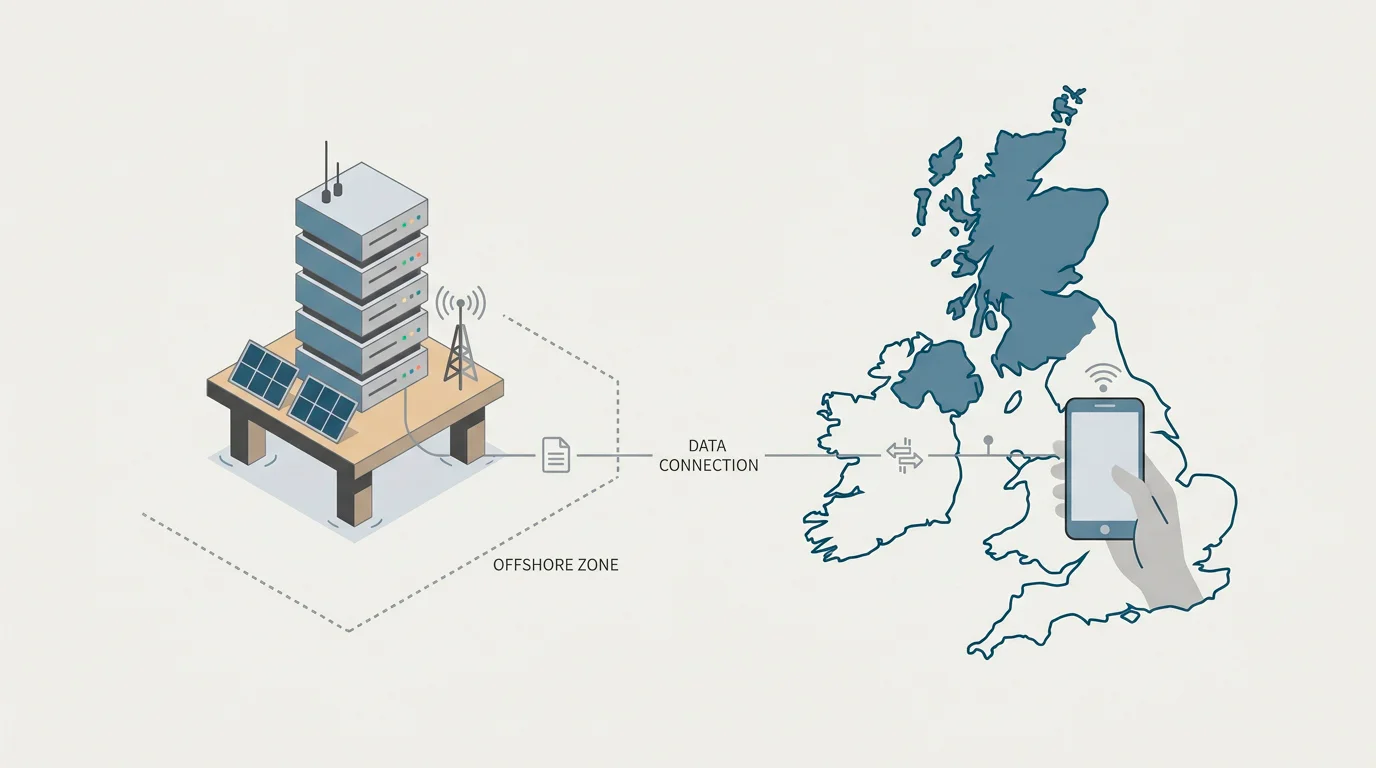
Closing the advertising and licensing gap did not, however, criminalise the players. It reshaped what operators must do to lawfully sell into Britain, leaving offshore sites in a separate lane.
Crucially, those obligations are aimed at operators. An offshore site that is licensed elsewhere and does not hold a UKGC licence simply sits outside the system - and therefore outside GamStop. The 2023 White Paper "High Stakes: Gambling Reform for the Digital Age" and the 2025 reforms (including online slot stake limits of GBP5 for players 25 and over and GBP2 for those aged 18 to 24) have tightened the regulated market further, which is part of why some players look offshore.
You can read the statutes directly via the Gambling Act 2005 Explanatory Notes and the 2014 Act notes. Our player legal status page unpacks what this means for you specifically.
Is It Legal for UK Players?
Accessing an offshore non-GamStop casino is not illegal for the individual player in the UK. The offences in the 2005 and 2014 Acts - providing or advertising gambling without a licence - are directed at operators, not at the people who use the sites.
The accurate description is a legal grey area. It is legal for a player to register, deposit and play, but the operator sits outside UK law and UKGC protection. Legality, in other words, is not the same as safety.
Legal for you to use does not mean protected. The same fact that keeps offshore play lawful - operators being outside UK jurisdiction - is exactly what strips away your consumer safeguards.
On tax, the position is settled and favourable: gambling winnings are tax-free for UK players, with no threshold and no requirement to declare them to HMRC. The tax burden sits with operators. Be cautious, though, about downstream activity such as converting crypto winnings, which can create separate tax events. We avoid categorical claims about bank blocks; verify your own bank's policy.
The Risks You Quietly Take On
This is the layer affiliate listicles tend to skip. The risks are concrete and they all flow from the same source: no UK regulator stands behind the site.
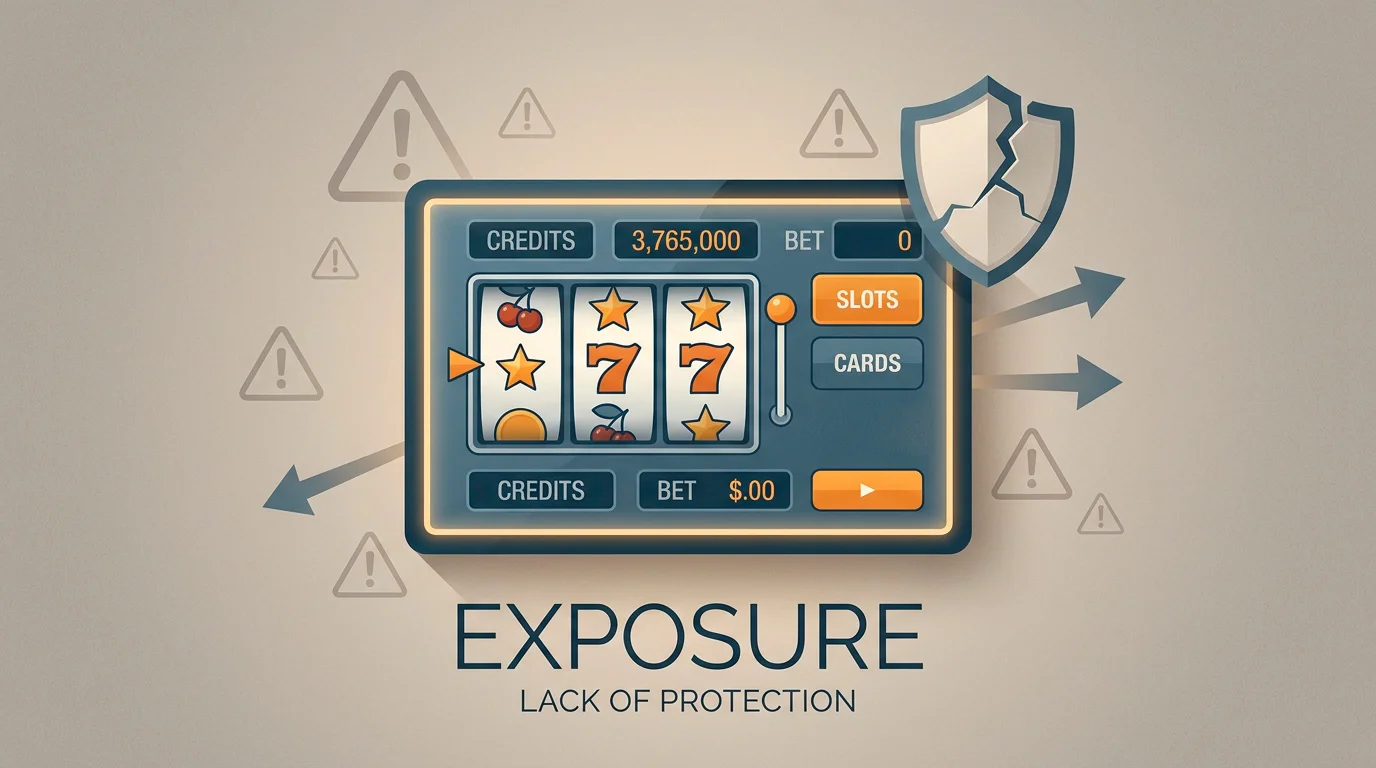
Dispute recourse is limited - the UK's ADR and IBAS routes do not apply, so any complaint travels through the licensing jurisdiction's regulator, which is slower and less player-friendly. Some offshore licences do not require player funds to be segregated, creating counterparty risk if the operator becomes insolvent, and there is no FSCS-style compensation scheme for gambling deposits anywhere, including under the UKGC.
What players are seeking
- Fewer affordability and KYC checks
- Larger bonuses and broader game catalogues
- Credit-card and crypto payment options
- Higher deposit and stake limits
What they give up
- No UKGC protection or oversight
- Limited, overseas dispute recourse
- No guaranteed segregation of funds
- No self-exclusion safety net
If a dispute arises, gather evidence, file a formal complaint with a reference number, seek a bank or e-wallet chargeback where possible, and escalate to the regulator named in the site's footer - and to Action Fraud for anything criminal. Our safe-play checks page sets out the full playbook.
Offshore Licence Jurisdictions, Ranked by Rigour
Not all offshore licences are equal, and the jurisdiction tells you a great deal about how much protection sits behind a site. Malta's MGA is the strictest tier, with financial audits and ongoing compliance. Gibraltar and the Isle of Man are mature, relatively strict regulators.
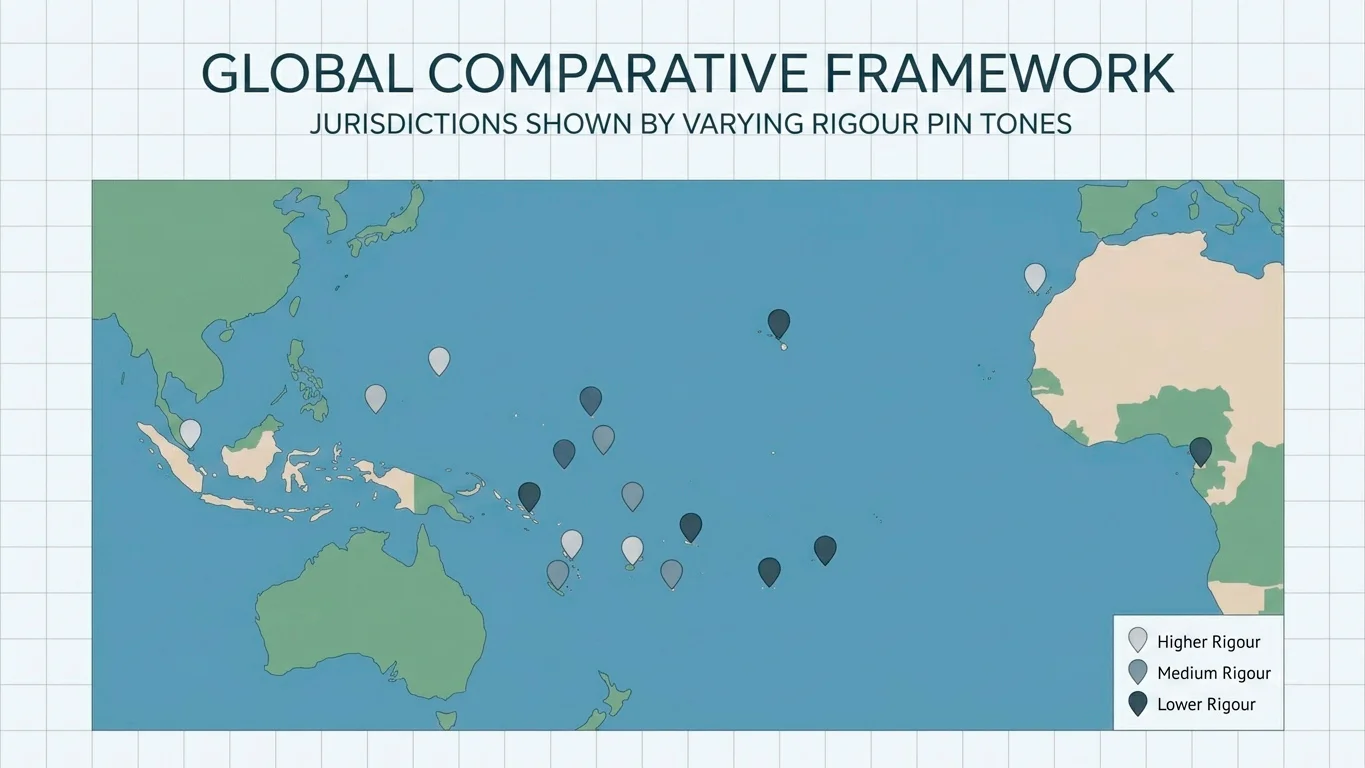
Curacao is the most common offshore licence and has historically been cheap with low consumer protection. Anjouan is newer, with a lower threshold and lighter requirements, which is why it is popular with crypto and no-KYC operators.
The freshest development is Curacao's reform. The National Ordinance on Games of Chance (LOK) was approved by Curacao's parliament on 17 December 2024 and came into force on 24 December 2024, with full implementation by July 2025. The Curacao Gaming Authority (CGA) is now the sole licence issuer, the old master-and-sub-licence system has been abolished, and new requirements cover local incorporation, a local director, AML compliance and responsible-gambling obligations. This raises the declared standard, but it does not make any specific operator "safe". See offshore licence jurisdictions for the detail.
Paying In and Cashing Out
Payment options differ sharply offshore. Credit cards have been banned for gambling in Great Britain since April 2020, and UK casinos accept debit only - so the fact that offshore sites often take credit cards and cryptocurrency is a recurring selling point, and a risk signal.
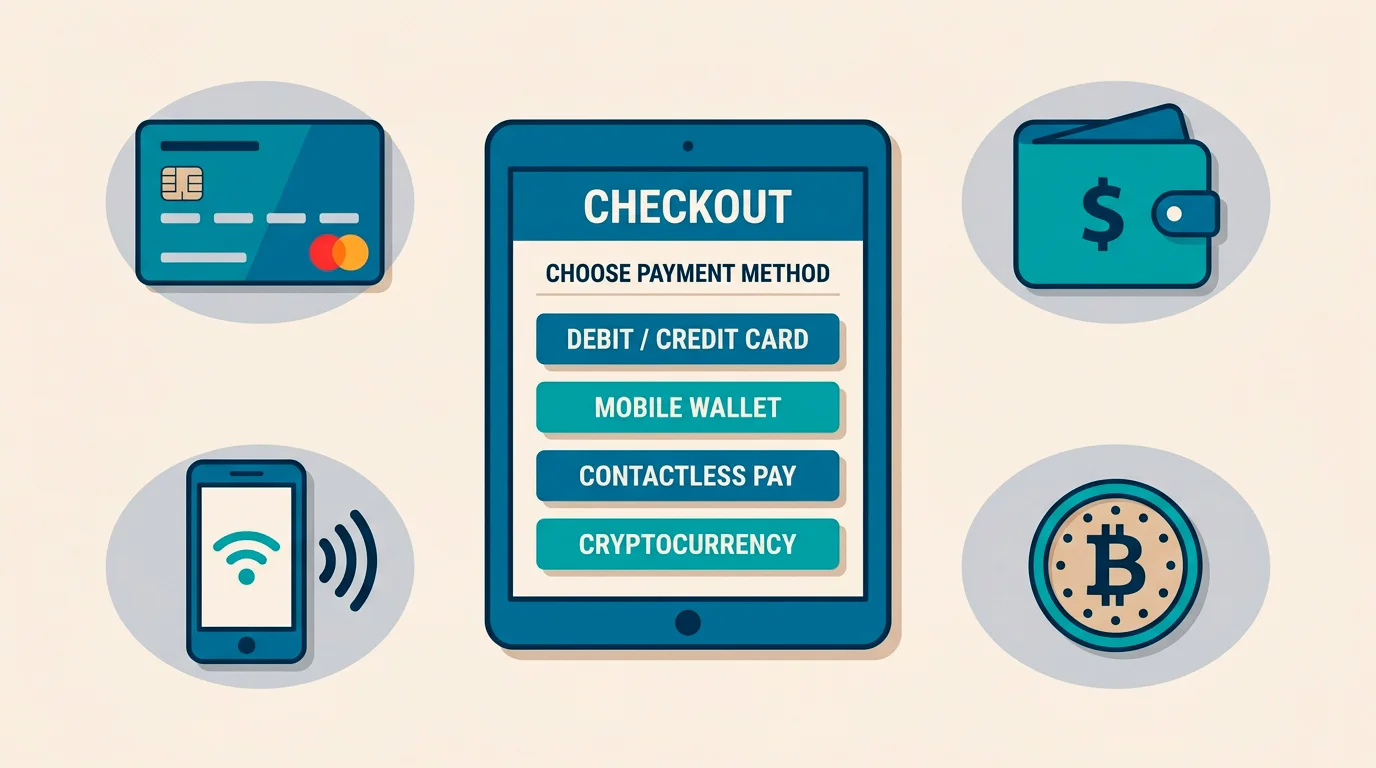
Many crypto and wire routes carry no chargeback protection, which matters when a dispute arises. A GBP account and Faster Payments are not guaranteed offshore either, so you may face EUR or USD conversion fees. Our PayPal and crypto options page compares each method on speed, fees and safety, and the non-GamStop casino payments hub frames the wider protection picture.
Leaving GamStop the Legitimate Way
If you registered with GamStop because gambling had become a problem, the most important thing to know is that the scheme cannot be switched off early - and that is the point of it. A term runs for its chosen length, can be extended, and is followed by a cooling-off period before access resumes.
For anyone tempted to bypass that protection, the honest alternatives are better than offshore play. Device-level blocking software such as Gamban works on your device and blocks offshore sites too. Counselling through GamCare addresses the underlying issue, and many people find the combination of GamStop, blocking software and counselling far more durable than any single measure.

The responsible route is set out in full on removing GamStop the legitimate way. This guide deliberately does not provide a method for circumventing self-exclusion.
Common Questions
Are non-GamStop casinos legal in the UK?
Using one is not a criminal offence for an individual player. The offences in the Gambling Act 2005 and the 2014 Act target operators who provide or advertise gambling without a licence, not the consumers who use the sites. It is best described as a legal grey area: lawful to access, but outside UK protection.
Can I play if I have self-excluded with GamStop?
Technically a self-excluded player can still register at an offshore site, because GamStop cannot reach it. But doing so directly undermines the protection you chose for yourself. If you are at this point, the support routes above - and device-level blocking such as Gamban - are designed for exactly this moment.
Are winnings from non-GamStop casinos tax-free?
Yes. Gambling winnings are tax-free for UK players with no threshold and no requirement to declare them to HMRC, regardless of where the site is licensed. The tax burden falls on operators. Be aware that later activity such as converting crypto can create separate tax events.
What licences do these casinos hold?
Commonly Curacao, Anjouan, Malta (MGA), Gibraltar, the Isle of Man, Costa Rica or Kahnawake. Malta is the strictest tier; Curacao is the most common and historically the least protective, though its 2024 to 2025 LOK reform has raised the declared standard.
What happens if I have a dispute with an offshore site?
The UK's ADR and IBAS routes do not apply. You complain through the licensing jurisdiction's regulator instead, which is slower and less player-friendly. Gather evidence, file a formal complaint with a reference number, seek a chargeback where possible, and escalate to Action Fraud for anything criminal.
Can I use a credit card or crypto at these sites?
Often, yes - which contrasts with Great Britain, where credit cards have been banned for gambling since April 2020 and UK sites accept debit only. Crypto and many wire routes carry no chargeback protection, so the convenience comes with a safety cost.
Why can't GamStop block offshore sites?
Because the rule forcing participation only applies to operators the UK Gambling Commission licenses. Offshore sites are licensed elsewhere and hold no UKGC licence, so the requirement - and the database - never reaches them.
Non-GamStop Operators Compared: A Criteria Guide
Prepared by the Casino Not on Gamstop editorial staff.