
Are Non-GamStop Casinos Legal in the UK?
 Available in GB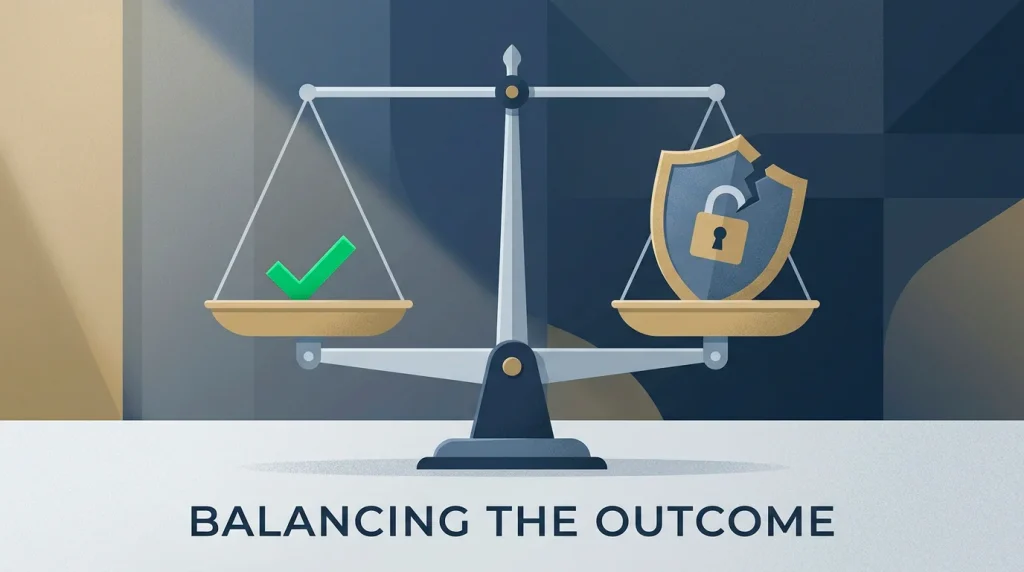
The short answer is that it is not a criminal offence for an individual in the UK to play at an offshore non-GamStop casino. The longer answer is more useful, because legal is not the same as protected, and the tax question that usually follows has a clear answer too. This page sets out both accurately.
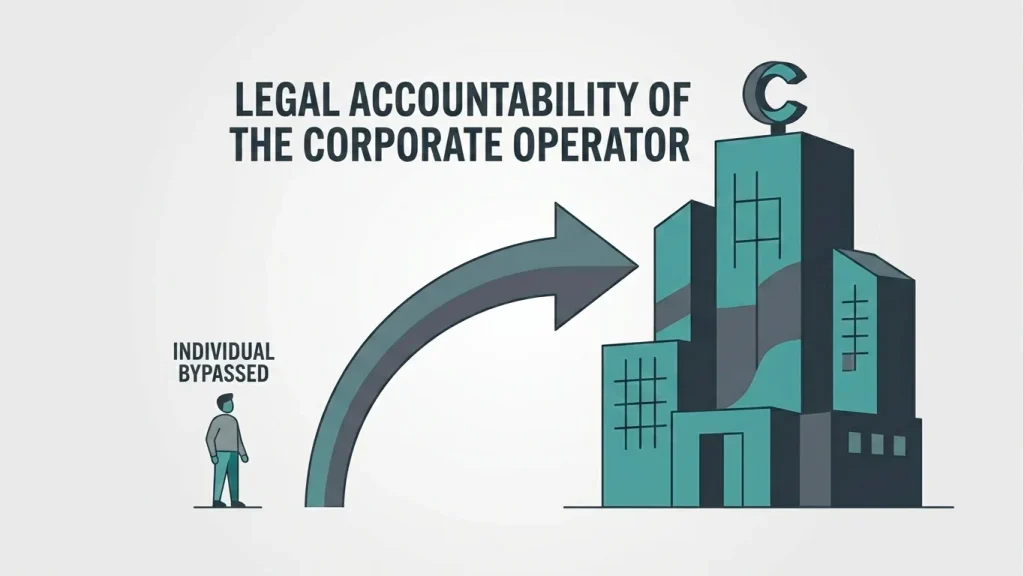
Why the offences fall on operators, not players
UK gambling law is built around licensing operators. Under the Gambling Act 2005, providing facilities for gambling without the required licence is an offence under section 33. The Gambling (Licensing and Advertising) Act 2014 extended the licence requirement to remote operators serving the British market and made advertising unlicensed remote gambling an offence.
Read those together and the pattern is clear: the offences are committed by the business that provides or advertises gambling without a licence, not by the person who places a bet. You can check the wording at the Gambling Act 2005 notes and the 2014 Act notes on legislation.gov.uk. The full chronology of how these statutes fit together is traced in our explainer on UK gambling law and the offshore gap.
What “legal grey area” actually means here
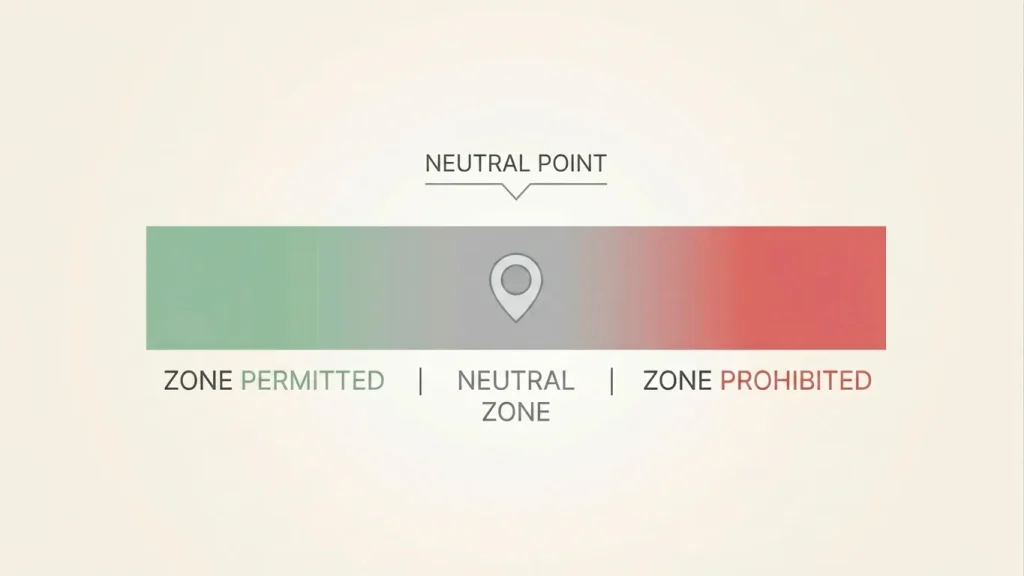
Because the law does not criminalise the player, accessing an offshore non-GamStop casino from the UK is best described as a legal grey area rather than something either fully sanctioned or outright banned for the individual.
In practical terms, a UK player can register, deposit and play at one of these sites without committing an offence. The catch is what stands behind the operator. A site licensed only abroad sits outside UK law and outside the protections that come with a UK Gambling Commission licence. So the activity is lawful for the player, but unsupervised by the regulator the player might assume is watching.
How UK gambling winnings are taxed
Gambling winnings are tax-free for individual players in the UK. There is no income tax, capital gains tax or national insurance on a win, no threshold above which it changes, and no requirement to declare winnings to HMRC. This treatment has applied since betting duty on players was abolished in 2001.
The tax burden sits with operators instead. Licensed operators pay duties on their gross gambling yield rather than players paying on wins; the remote gaming duty rate was increased to 40 per cent from 1 April 2026, having previously been 21 per cent. The principle that winnings are the player’s to keep is unchanged by these operator-side rates.

Legal to play is not the same as safe to play
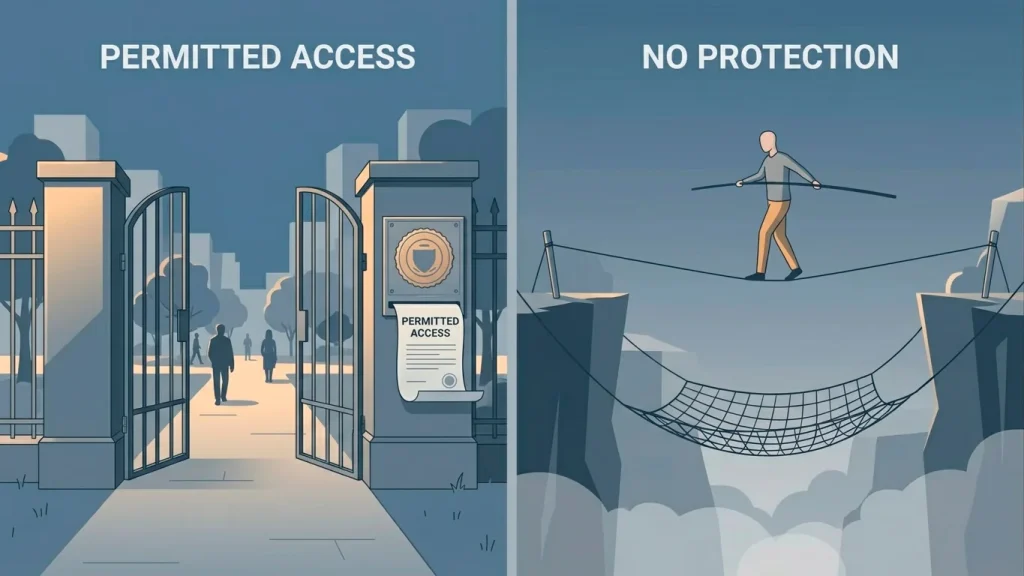
This is the distinction affiliate pages tend to blur. The fact that something is not illegal for you does not mean a regulator will help if things go wrong. With a UK-licensed operator you have access to alternative dispute resolution and the Commission’s oversight. With an offshore operator you generally do not, and any complaint runs through the regulator of the licensing jurisdiction instead.
That gap in protection is the real cost of the grey area, and it is worth understanding before depositing anything. We set it out in detail on our page covering the risks of non-GamStop sites and how to check.
A specific word for anyone who has self-excluded
If you registered with GamStop and are now reading this because you are considering an offshore site, the legal position is not the point that matters most. Self-exclusion was a protection you chose, and the offshore route exists precisely because it bypasses that protection.
Nothing on this page is encouragement to do that. The most useful step in that situation is support, and the contacts below are free and confidential. For the wider context, our main guide to casinos not on GamStop keeps the same information-first stance throughout.

The position in one paragraph
Playing at a non-GamStop casino is not a crime for a UK player, and any winnings are tax-free with nothing to declare. But the operator sits outside UK law and UKGC protection, so legality here buys you no safety net. That trade-off, not the question of legality, is what deserves the most thought.
The full picture is in our guide to casinos not on GamStop.
The statute behind it: UK gambling law and the offshore gap.
GamStop and UK Self-Exclusion Explained
Prepared by the Casino Not on Gamstop editorial staff.