
Removing GamStop the Legitimate Way
 Available in GB
A search for how to remove GamStop usually comes from one of two places: a person whose self-exclusion period has genuinely run its course and wants to know the official next step, or a person mid-exclusion who is looking for a workaround. This page is honest with both. The official removal process is straightforward but cannot be brought forward by design. The workaround question deserves a real answer too, and the real answer leads to support rather than to an offshore operator.
The plain position: it cannot be cut short
A GamStop term cannot be shortened or lifted early. This is not a customer-service rule that can be appealed. It is the structural design of the scheme, intended precisely so that a self-excluded person cannot reverse the decision in a moment of impulse. The terms a person can choose on registration are six months, one year and five years, set out on the GamStop website. Once chosen, the term runs.
What the term can be is extended. A person already self-excluded who wants longer protection can lengthen the exclusion. They cannot ask GamStop to reduce it to a shorter window, and no UK Gambling Commission operator can override the exclusion for an individual account.
The mechanism behind this is the centralised database that all UK-licensed operators check in real time. The deep mechanics are on the how GamStop works page. The point for this page is that the protection is operational and continuous; it does not pause on request.
What happens when the chosen period ends
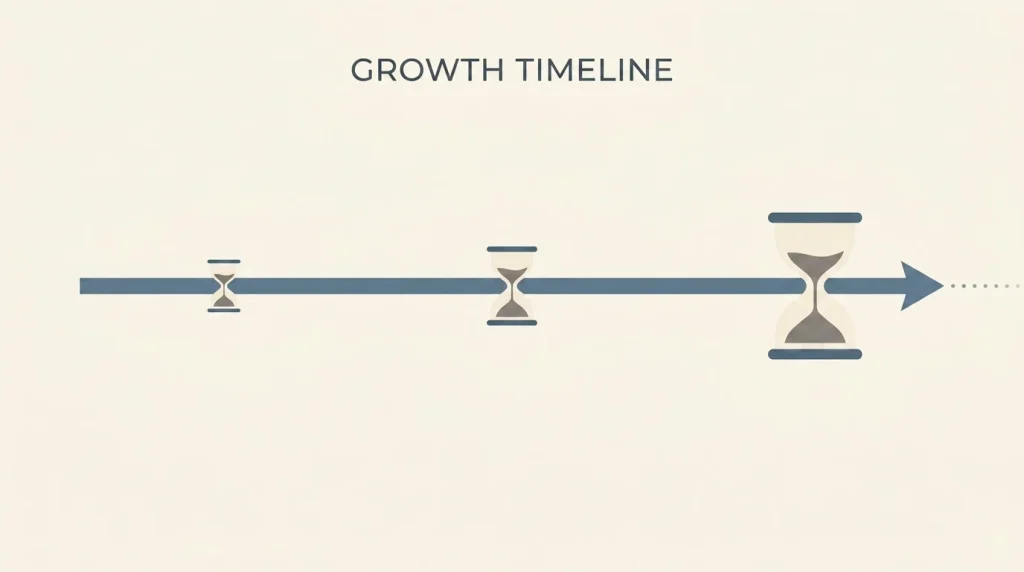
One detail that surprises a lot of people is that the exclusion does not lift automatically at the end of the chosen period. GamStop documents this directly: an exclusion remains in place for a further seven years beyond the minimum term unless the registered person takes the active steps to remove it. A six-month exclusion can become a seven-and-a-half-year exclusion if no action is taken. A five-year exclusion can become twelve years.
The legitimate removal process at the end of the chosen term has four standard steps.
- Contact GamStop directly after the minimum period has expired. The scheme publishes a phone line and email address through its official site. Phone contact tends to resolve faster because verification is handled live.
- Verify identity. The person provides the details used at registration – full name, date of birth, postcode and email address – so GamStop can confirm the right account.
- Pass the 24-hour cooling-off period. A mandatory waiting window applies after the request, during which the exclusion remains in place. The request can be withdrawn at any point during this window.
- Wait for operator systems to update. Once the cooling-off period passes, GamStop notifies UK Gambling Commission operators, whose systems typically update within one to three days. Individual operators may also require manual reactivation of any historical account and are entitled to decline reactivation on their own grounds.
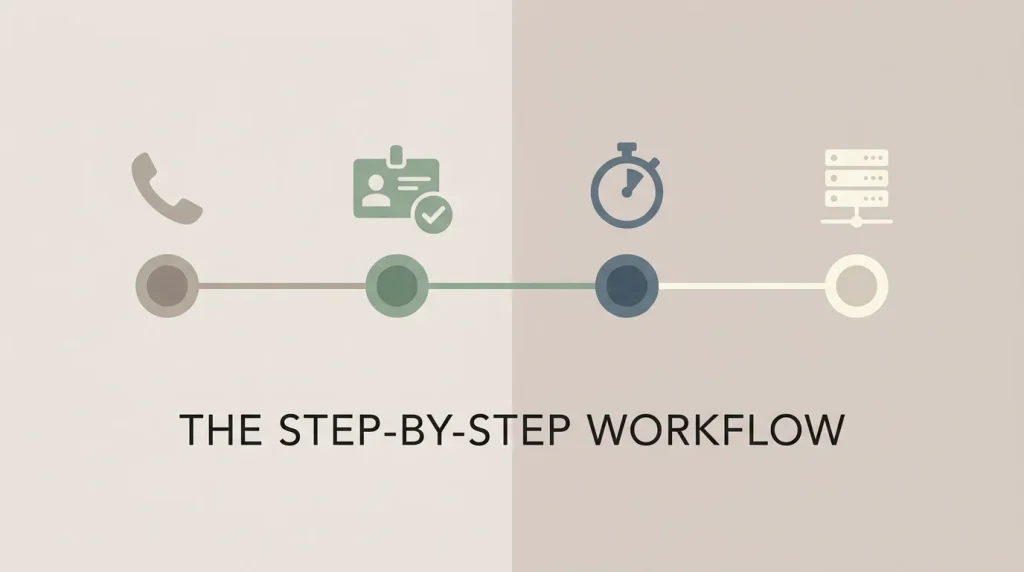
The whole sequence is intentionally unhurried. It is short, but it includes the cooling-off pause for a reason. A person whose period has ended and who genuinely wants to return to UK-regulated gambling can complete this in a couple of days; a person whose impulse to remove is impulsive runs into the pause.
The workaround question, answered honestly
The other reason someone reads this page is to find a route around an active GamStop self-exclusion. The honest answer is that there is no legitimate way to do so on the UK Gambling Commission side. There are offshore operators that GamStop does not reach, which is why the entire non-GamStop category exists, but this page deliberately does not point readers in that direction.
It does not for a specific reason. If a person took the trouble to self-exclude, the protection they put in place was a considered act, and undermining it from the inside is unlikely to lead to a better outcome than honouring it. The data on early-cooling-off reversals is consistent with that read: most people who pause genuinely benefit from the pause.
The constructive answer is to look at what self-exclusion was supposed to do and to add what GamStop alone cannot cover. That is the three-pillar approach below.
The three pillars: GamStop, device blocking and support
Practitioners working on gambling harm reduction often describe three complementary measures that together cover most of the practical routes harm takes. None is sufficient alone; together they form a workable layered protection.
Pillar one: GamStop
GamStop blocks UK Gambling Commission operators. It does what it is designed to do, and it does it well, but its reach ends at the UKGC perimeter. Someone with a serious determination to find a workaround will find an offshore operator, because the scheme cannot reach there by design.
Pillar two: device-level blocking
Device-level blocking software runs on the user’s phone, laptop or tablet, and blocks gambling sites at the device level rather than at the operator level. Because it works on the device, it can and does block offshore operators that GamStop cannot reach. The most widely used UK product in this space is Gamban, which several treatment services and NHS Gambling Clinics provide to clients free of charge.
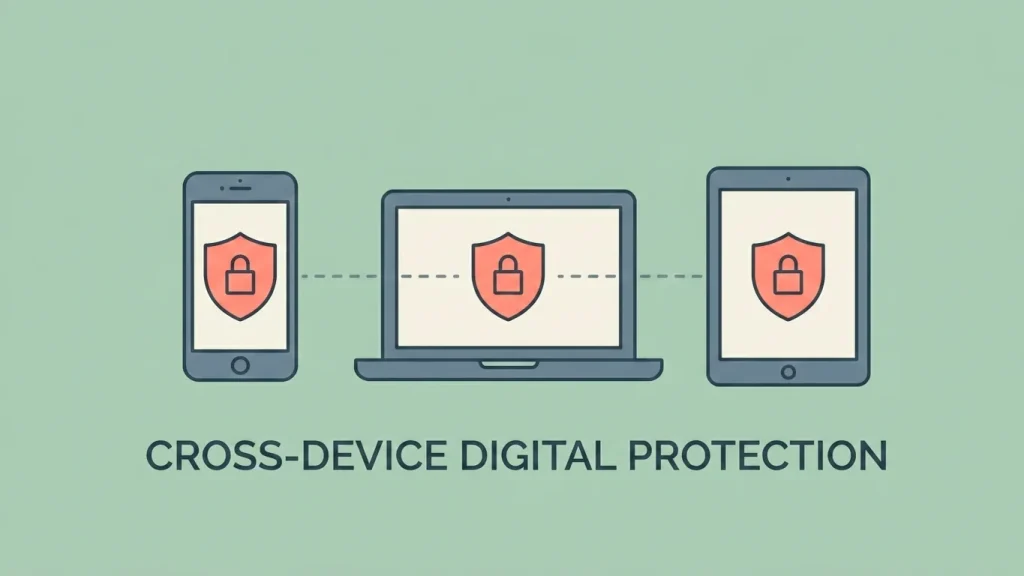
Device-level blocking has two advantages over GamStop on its own. It removes the technical possibility of accessing offshore operators on the protected device, and it adds another deliberate friction step if the user later wants to undo the block, which gives time for a different decision.
Pillar three: support and treatment
The third pillar is talking to someone trained. The National Gambling Helpline, run by GamCare, is free, confidential and open 24 hours a day on 0808 8020 133. It is staffed by advisers who do this work professionally, and the call does not commit a person to anything. BeGambleAware hosts a short self-assessment and routes to the National Gambling Support Network for ongoing help. Treatment is free at the point of use for people who need it, and the route in is the same helpline call.
Together, these three measures are what self-exclusion was designed to be part of – not a single switch but a layered approach that handles different parts of the problem. The payments and player protection overview places these resources alongside the cashier-side risks the rest of this cluster covers.
What banks and family settings can add
Two further measures complement the three pillars and are worth mentioning even though they sit outside the gambling-specific schemes. Most major UK retail banks now offer optional gambling-transaction blocks in their mobile apps. These act on the merchant category code that processors apply to gambling transactions, with a small built-in cooling-off delay before the block can be switched off. Switching one on is a single setting, and it is one of the most effective tools available to anyone trying to stop.
Family safety settings on phones and home networks – parental controls, content filters, network-level DNS blocks – are not designed for gambling, but they can be configured to add an extra layer. They tend to be most useful when set by someone other than the affected person, since this removes the ability to undo them in a moment of pressure.
What to do now, in plain terms
The right next step depends on which group a reader belongs to. The framing below is deliberately simple.
- Your GamStop term has ended and you want to remove it
- Contact GamStop directly through the official channels on their site, verify your identity, accept the 24-hour cooling-off period, and wait for operators to update. If you do not act, the exclusion stays in place for a further seven years.
- Your GamStop term is still running
- The exclusion will not be reduced. If the impulse to find a workaround is strong, that is exactly the signal the helpline is for. Call 0808 8020 133. Consider adding device-level blocking and a bank gambling block as the second and third pillars. The main casinos not on GamStop guide covers why offshore operators are not a sensible route for someone in this position.
- You are unsure whether you have a problem at all
- The BeGambleAware self-assessment takes a few minutes and is anonymous. The helpline call is also free and confidential. Neither commits you to anything.

One last thing worth saying out loud
It is sometimes claimed that signing up at a non-GamStop operator while still self-excluded is a victimless act because the player is the one taking the risk. That framing leaves out the family, the household, the bank balance and the future version of the person making the decision. The protection that GamStop offers was set up precisely to give all of those a voice that the current moment cannot easily override.
If you are reading this page mid-exclusion, the most useful piece of information on it is the helpline number above. The cluster’s other resources – the how GamStop works page and the broader player protection overview – are there when they are needed. But the helpline is the part that does the most work.
The full picture is in our guide to casinos not on GamStop.
What the scheme covers in the first place: how GamStop works.
Paying and Staying Safe Off GamStop
Prepared by the Casino Not on Gamstop editorial staff.