
Paying and Staying Safe Off GamStop
 Available in GB
Payments and player protection are usually treated as separate topics. At non-GamStop casinos they are the same topic. The method a player uses to deposit decides whether a future dispute is reversible, which currency the balance is held in, and how visible the transaction is to the bank that monitors gambling activity. This cluster hub sets out the connection, frames the detail in the supporting pages, and brings the responsible-gambling resources to the front rather than the bottom.
Payments are a safety question
Three differences separate paying at a UK Gambling Commission site from paying at a non-GamStop site. None is dramatic in isolation, but together they shift the risk profile of a deposit considerably.
The first is the credit-card position. Operators with a UK Gambling Commission remote licence have been prohibited from accepting credit cards for gambling since 14 April 2020 under Licence Condition 6.1.2 of the LCCP. The ban also covers e-wallet deposits that were originally funded from a credit card. Non-GamStop operators sit outside that condition entirely. Credit cards, and indirect credit through certain e-wallets, are often available on their cashier pages.
The second is currency and rails. UK Gambling Commission casinos overwhelmingly run in pounds sterling and integrate cleanly with British banking, including Faster Payments where the operator supports bank transfer. Non-GamStop operators may quote balances in pounds, euros or dollars; may apply conversion fees on deposits and withdrawals; and may use payment rails outside Faster Payments, with longer settlement and less predictable timing.
The third is dispute reversibility. A debit-card deposit at any operator carries chargeback rights through the card scheme rules. So do most regulated e-wallets. A crypto deposit usually does not, and several wire-transfer rails to offshore processors have very narrow dispute windows. The choice of method, in other words, is also the choice of how easy it will be to undo if something goes wrong.
What this cluster covers
This part of the site has three pages, each with a specific role. The hub sets the relationship between payments and protection. The supporting pages handle the practical detail and the responsible-gambling route.
Payment methods at non-GamStop casinos
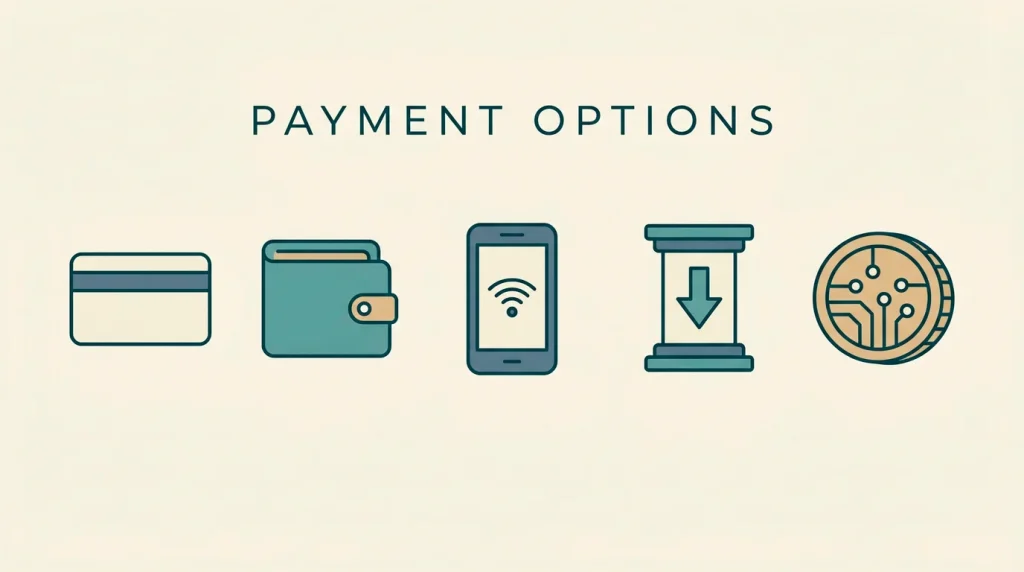
The payment methods at non-GamStop casinos page goes method by method through debit cards, e-wallets, Apple Pay and Google Pay, Open Banking instant transfers, and cryptocurrency. It covers availability, speed, fees, KYC behaviour at cashout and chargeback implications. It is the place to go when the question is mechanical: which method is offered, how fast it settles, and what it costs.
Removing GamStop the legitimate way
The removing GamStop the legitimate way page is the responsible counterweight to a workaround-shaped search query. A GamStop term cannot be shortened by design, but there are real routes to support and to device-level blocking that work alongside the scheme. The page sets out what those routes are and signposts professional help.
Operator-level risks
Payments do not exist in a vacuum. Many of the patterns that look like payment problems – frozen withdrawals, surprise win caps, opaque verification requests – are operator behaviours that the method choice can mitigate but not fix. The cross-link is the player risks and safe-play checks page in the operators cluster, which sets out the warning signs.
A practical checklist before depositing
Six checks repay the small amount of time they take. They are not a substitute for the full safe-play routine but they are the minimum that anyone considering a non-GamStop deposit should run through.
- Identify the regulator and the licence number on the operator’s footer. Verify both on the regulator’s own register before any account is opened.
- Check the cashier currency. If balances are held in euros or dollars rather than pounds, confirm the conversion fee on deposit and withdrawal.
- Read the withdrawal terms. Look for maximum payouts per period, identity verification triggers, processing windows and any bonus-tagged restrictions.
- Choose a reversible payment rail by default. A debit card or a chargeback-supporting e-wallet preserves a dispute route. Crypto and certain wires do not.
- Use a separate, gambling-only account where possible. This contains the financial exposure and makes any future dispute easier to evidence.
- Set a deposit cap before the first transaction. Many cashiers offer optional limits; setting them in advance is more reliable than relying on willpower mid-session.

None of these checks turns an offshore operator into a UK Gambling Commission licensee. They reduce the avoidable risks, leaving the structural ones – no UKGC protection, no GamStop coverage, limited dispute recourse – to be considered with eyes open. The main casinos not on GamStop guide places those structural risks in context.
Responsible gambling is the spine, not the footer
It is conventional to put responsible-gambling resources in a small box at the bottom of a page. This cluster treats them as central, because the payments question is where many people first encounter the early signs of harm. A deposit that requires a credit card, a juggled second account, or a workaround to a self-exclusion is a deposit that deserves a pause.
Three resources cover most of what a UK reader needs at the first sign of pressure.
- National Gambling Helpline (GamCare)
- Free, confidential, twenty-four hours a day, three hundred and sixty-five days a year. Phone 0808 8020 133, plus live chat and WhatsApp at gamcare.org.uk. GamCare does not handle complaints against operators – those go to the operator’s regulator – and does not run self-exclusion. It does listen, support, and direct callers to treatment if that is what is needed.
- GamStop
- The national online self-exclusion scheme for operators licensed by the UK Gambling Commission. A single registration blocks new sign-ups and resumed access at all participating sites. Periods are six months, one year, or five years; a term can be extended but cannot be ended early. The scheme does not reach offshore operators, which is why device-level blocking is the practical complement.
- BeGambleAware and treatment routes
- BeGambleAware hosts information, a short self-assessment, and routes into the National Gambling Support Network. Treatment is free at the point of use for people who need it; signposting through GamCare or BeGambleAware is the simplest way to access it.
- Device-level blocking
- Gamban is the most widely used device-level blocking software in the UK. It works at the device rather than the operator, which is exactly what is needed to block offshore sites that sit outside GamStop. Used alongside GamStop, it closes the gap that the workaround search query is built around.
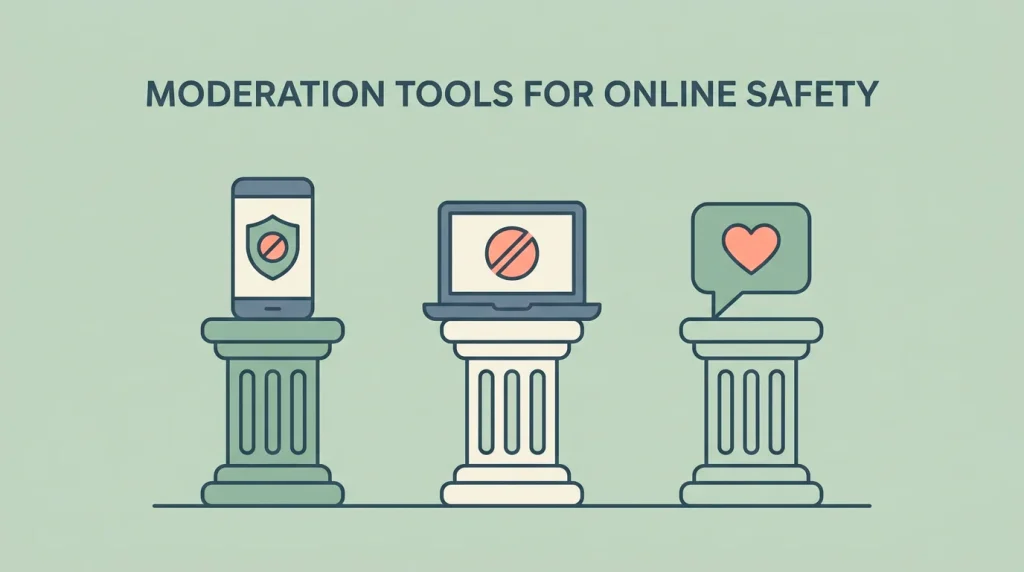
Industry workers often refer to GamStop, device-level blocking and counselling as the three pillars of self-managed gambling control. None of them alone solves the problem; together they cover most of the practical routes harm takes. The removing GamStop the legitimate way page sets out how to use them in combination.
How UK banks respond to offshore gambling
Most British retail banks now publish gambling-friendly features in their apps, including optional gambling transaction blocks. These blocks act on the merchant category code that processors assign to gambling transactions. They typically apply across the board rather than to specific operators, and they introduce a small delay if the block is later switched off.
The implication for non-GamStop deposits is two-sided. A bank-level gambling block is one of the most effective single tools available to anyone trying to stop, since it works regardless of which operator a player tries next. On the other hand, an offshore operator processed under a non-gambling merchant category may slip past such a block. A reader who depends on a bank-level block should not assume it covers every offshore deposit route.
When payments themselves become a warning sign
Five patterns at the cashier are worth treating as warning signs in their own right, separate from the operator’s other behaviours. They are short-form versions of the longer patterns covered on the player risks and safe-play checks page.
- A cashier that pushes the player away from reversible methods toward crypto or wire.
- An identity-verification request that arrives only after a large win, never at deposit or sign-up.
- A withdrawal time that is much shorter for small amounts and stretches indefinitely for large ones.
- Conversion fees that are not disclosed before deposit but appear in the withdrawal amount.
- A live-chat agent who cannot or will not state which method has chargeback support.
None of these is unique to non-GamStop operators – they exist at the worst end of the wider iGaming market – but the absence of UK Gambling Commission supervision means they are less likely to trigger external intervention.
Putting it together
The honest reading of payments at non-GamStop casinos is that method choice matters more here than at a UK Gambling Commission site, and that the relationship between payment method and protection is part of the deposit decision rather than a downstream detail.
The two supporting pages in this cluster – payment methods at non-GamStop casinos and removing GamStop the legitimate way – sit either side of that decision. One covers the cashier; the other covers the protection route a reader may actually need.
The full picture is in our guide to casinos not on GamStop.
Every route compared: the payment methods.
Paying and Staying Safe Off GamStop
Prepared by the Casino Not on Gamstop editorial staff.